
Where DIY Crochet Kits Are Winning: Retail, Gifting, Education, and Seasonal Programs
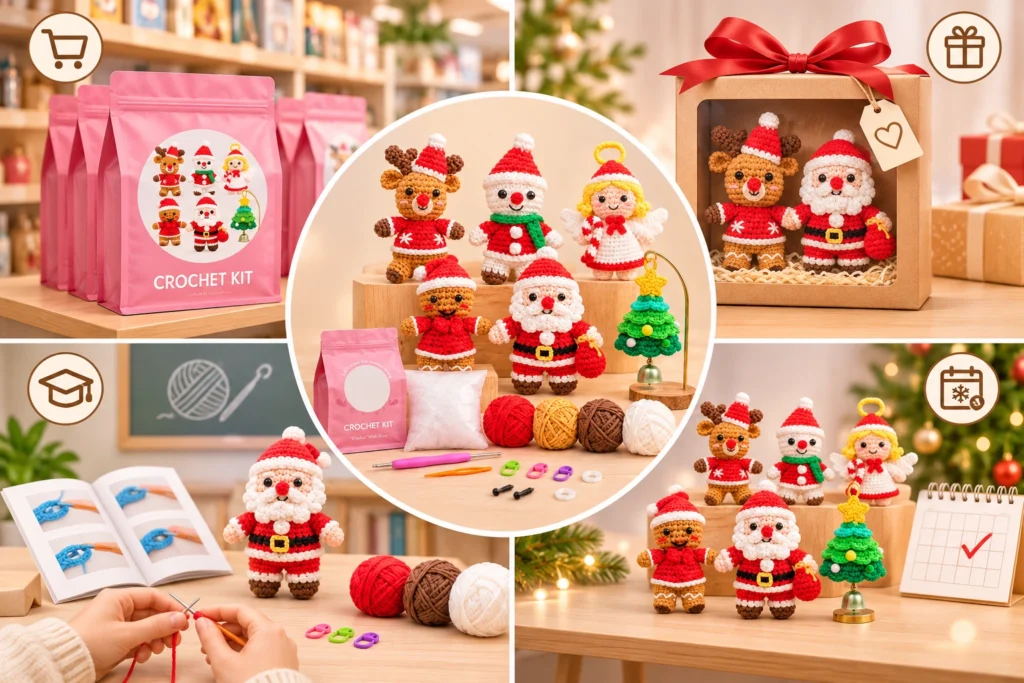
DIY crochet kits can serve several commercial purposes: a product to sell, an experience to give, an activity to teach, or a project built around a seasonal occasion. Each application creates different expectations for packaging, project difficulty, customer support, and delivery.
DIY crochet kits are best positioned when the project matches the purchasing occasion. Retail needs clear product selection, gifting needs an appealing experience, education needs a manageable learning activity, and seasonal programs need a relevant theme delivered within a defined selling window.
For B2B buyers, the opportunity is to develop the right offer for a specific channel rather than distribute the same kit everywhere.
In this guide, “winning” means meeting the channel’s practical requirements and producing measurable results. It does not imply that every crochet kit will sell equally well across these markets.
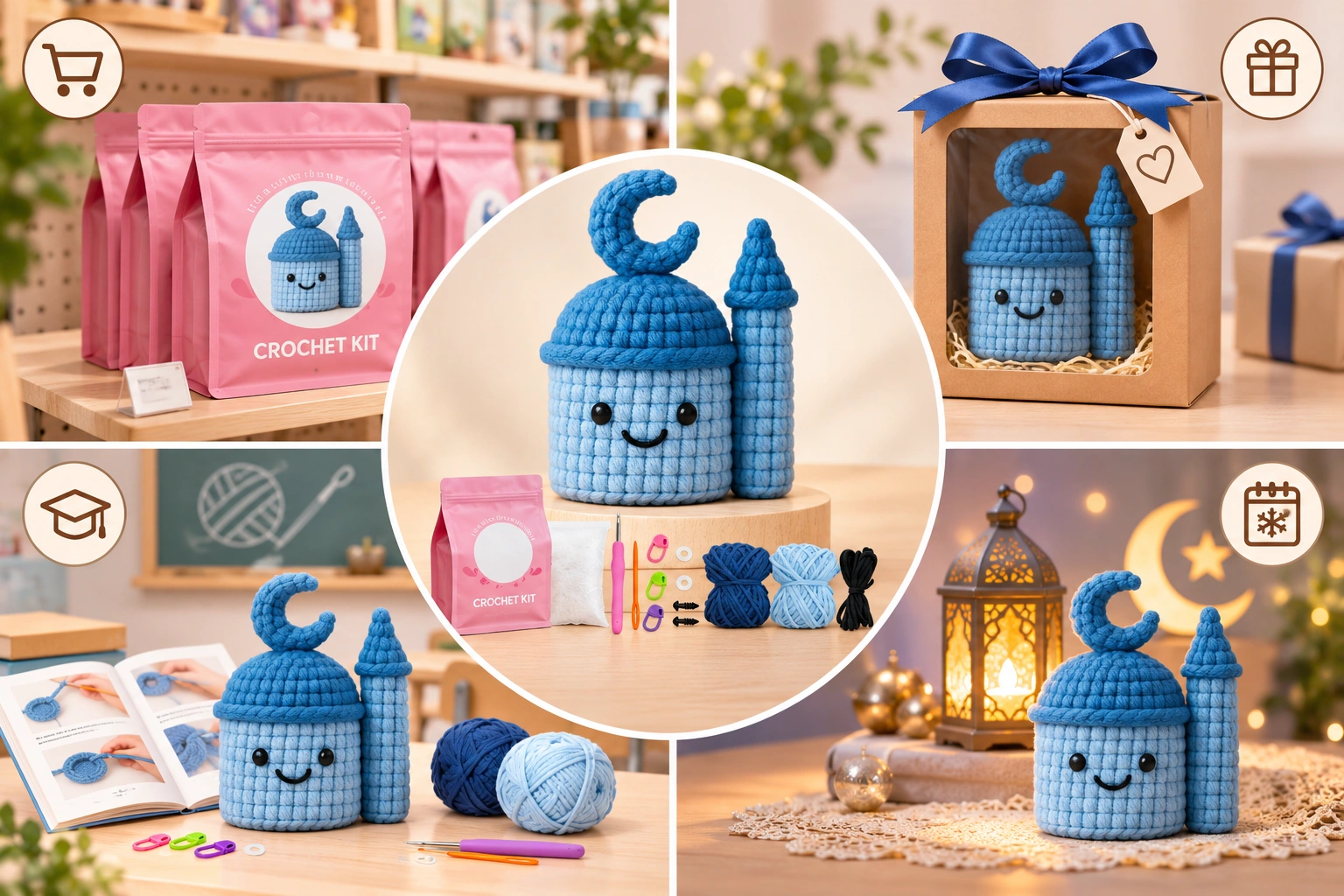
Four Channels, Four Different Buying Decisions
The product inside the package is only part of the offer. Buyers also need to consider who selects the kit, who uses it, and what success looks like.
| Channel | Who selects the kit? | What matters most? | What should buyers measure? |
|---|---|---|---|
| Retail | Consumer, retail buyer, or category manager | Clear positioning, shelf fit, project appeal, and viable margin | Sell-through, contribution margin, returns, and support demand |
| Gifting | Gift purchaser, corporate buyer, or event organizer | Recipient suitability, presentation, and a credible experience | Recipient feedback, actual participation, and cost per delivered gift |
| Education | Instructor, school, workshop organizer, or community program | Learning objective, session fit, and teaching support | Participant progress, assistance required, and instructor feedback |
| Seasonal programs | Merchandiser, campaign manager, or promotional buyer | Theme relevance, launch timing, and inventory exposure | In-season sales, markdowns, remaining stock, and on-time availability |
A useful sourcing brief identifies one primary application first. Secondary applications can follow after the core offer has been tested.
1. Retail: Help Customers Choose With Confidence
A retail crochet kit needs to communicate its value before a member of staff explains it.
A shopper should be able to identify:
- What they will make.
- Whether the project suits their experience.
- What the kit includes.
- Whether additional items are needed.
- How they will access guidance.
- What the finished project is intended for.
Retail readiness begins with reducing uncertainty at the point of purchase.
An attractive finished sample can draw attention, but the packaging still needs to set realistic expectations. Clearly distinguish the finished project shown for reference from the materials included in the kit.
Build an Assortment With Distinct Roles
A focused range gives each SKU a reason to exist.
For example, a proposed assortment could include:
- A compact introductory project.
- A character with broader gift appeal.
- A decorative project for a different customer interest.
This is an assortment concept, not a recommendation to launch all three immediately. Select formats according to the store’s customer profile, available display space, and target price positioning.
Several visually similar kits can compete for the same purchase without expanding the audience.
Evaluate the Actual Display Format
Before approving packaging, test it in the intended setting.
A box that works on a shelf may be unsuitable for a hanging display. A pouch may require a tray to remain organized. A large package may occupy more space than its commercial contribution justifies.
Review package dimensions, visibility, shelf stability, replenishment access, and the space required for a finished display sample.
Test Retail Economics Beyond the Factory Price
Include freight, packaging, handling, selling fees, and expected support costs when assessing commercial feasibility.
Start with a defined trial and review results before expanding the assortment.
2. Gifting: Design for the Person Receiving the Kit
In gifting, the purchaser and the maker are often different people.
The purchaser may understand crochet. The recipient may have never held a hook.
This creates an important design question:
Will the recipient understand how to begin without relying on the person who bought the gift?
Match the Gift to the Recipient
Possible applications include personal gifting, employee activities, customer appreciation, and event gift programs.
However, suitability should be assessed rather than assumed.
Consider:
- Whether recipients are likely to enjoy a hands-on activity.
- Whether prior crochet experience is expected.
- Whether participation is optional.
- Whether the project fits the available time.
- Whether recipients will have reliable access to digital guidance.
For a broad recipient group, an approachable project with clear support may be more suitable than a highly detailed design chosen mainly for its appearance.
Make Customization Relevant to the Experience
A logo alone does not explain why the gift matters.
Depending on the project, customization could involve a coordinated color palette, a message card, an occasion-specific sleeve, or an approved character.
Branding should fit naturally into the presentation while preserving the usability of the kit.
For corporate programs, confirm whether recipients receive individual shipments or whether the kits arrive together at one venue. This affects packing, address handling, and delivery planning.
Measure Participation as Well as Delivery
Successful delivery confirms that recipients received the gift. It does not show whether they used it.
Where appropriate, collect voluntary feedback on whether recipients started the project, found the instructions accessible, and enjoyed the activity.
Avoid assuming that a craft gift creates a specific wellbeing outcome. Evaluate the experience through actual recipient feedback.
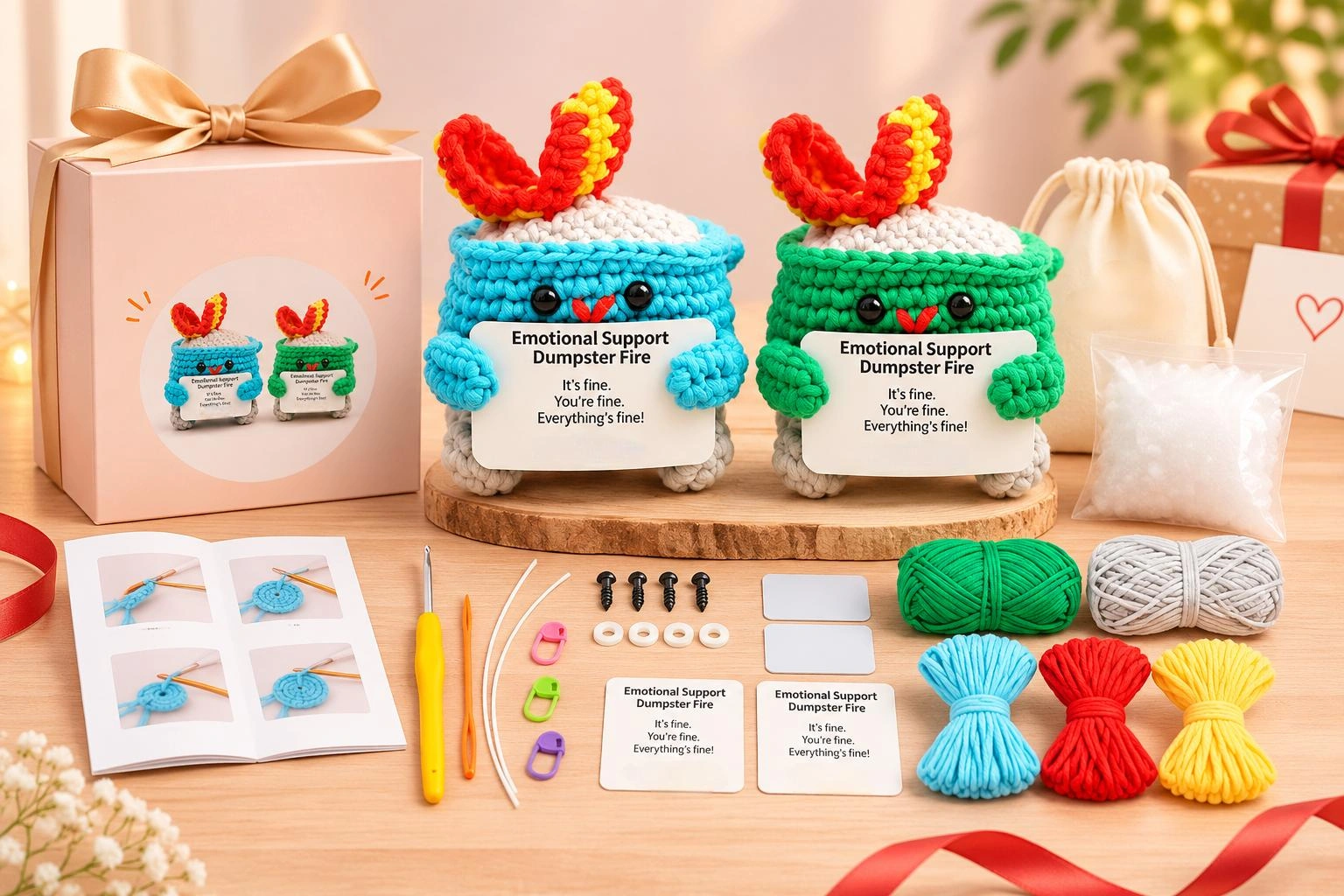
3. Education: Build Around the Learning Objective
An educational crochet kit should begin with a teaching objective.
Is the activity intended to introduce holding a hook, practice a stitch, develop pattern-reading skills, or complete a small project?
The answer determines the appropriate project scope.
A classroom kit succeeds when its demands fit the participants, available teaching support, and session structure.
An appealing finished object is useful motivation, but it should not hide an unrealistic workload.
Distinguish Session Progress From Full Completion
A project can work well across several sessions while being unsuitable for a short introductory workshop.
If participants are expected to continue at home, explain that before enrollment and provide a practical continuation route.
For a single session, identify a realistic milestone. It might be completing a practice section or reaching a defined assembly stage rather than finishing the entire object.
Do not publish a completion-time claim based only on an experienced maker’s performance.
Run a Representative Teaching Trial
Before a larger program, test the proposed activity with participants whose experience resembles the intended group.
Observe:
- How long the introduction takes.
- Which steps require repeated explanation.
- How easily participants distinguish materials.
- Where progress begins to vary.
- Whether the instructor can support the group effectively.
The findings should inform project selection and teaching arrangements.
Participant numbers alone are insufficient for planning staffing. Skill level, project difficulty, accessibility needs, and the amount of individual help all affect the support required.
Separate Participant Materials From Instructor Resources
A participant needs an understandable kit. An instructor may also need a demonstration sample, teaching sequence, and reference materials.
For group delivery, confirm whether kits should be distributed individually or organized centrally by the instructor. The most attractive retail package may not be the most convenient classroom format.
4. Seasonal Programs: Connect the Product to a Real Deadline
Seasonal crochet kits need both a relevant project and a workable launch schedule.
Potential applications include holiday decorations, spring gifting, autumn activities, and event-based workshops.
Plan Backward From Customer Use
Begin with the date by which the customer needs the finished project, then work backward through:
- Expected making time.
- Customer purchasing and delivery.
- Retail or campaign launch.
- Distribution and stock intake.
- Production and shipping.
- Sample, packaging, and content approval.
This approach distinguishes the customer’s deadline from the buyer’s warehouse delivery date.
Control Seasonal Complexity
A seasonal offer does not always require an entirely new product structure.
Where appropriate, buyers can evaluate a familiar project with a seasonal color variation, approved accessory, or packaging treatment.
However, confirm whether the change affects instructions, materials, assembly, or the promised finished result. A small visual change can still create additional development work.
Decide What Happens to Remaining Stock
Before placing the order, establish whether unsold inventory can:
- Continue selling after the occasion.
- Be carried into a future season.
- Move into another suitable channel.
- Receive an approved packaging update.
A package carrying a specific year or event date may limit reuse. Evergreen presentation may preserve flexibility where the campaign permits it.
Set quantities according to the selling window and replenishment feasibility rather than assuming seasonal relevance will guarantee demand.
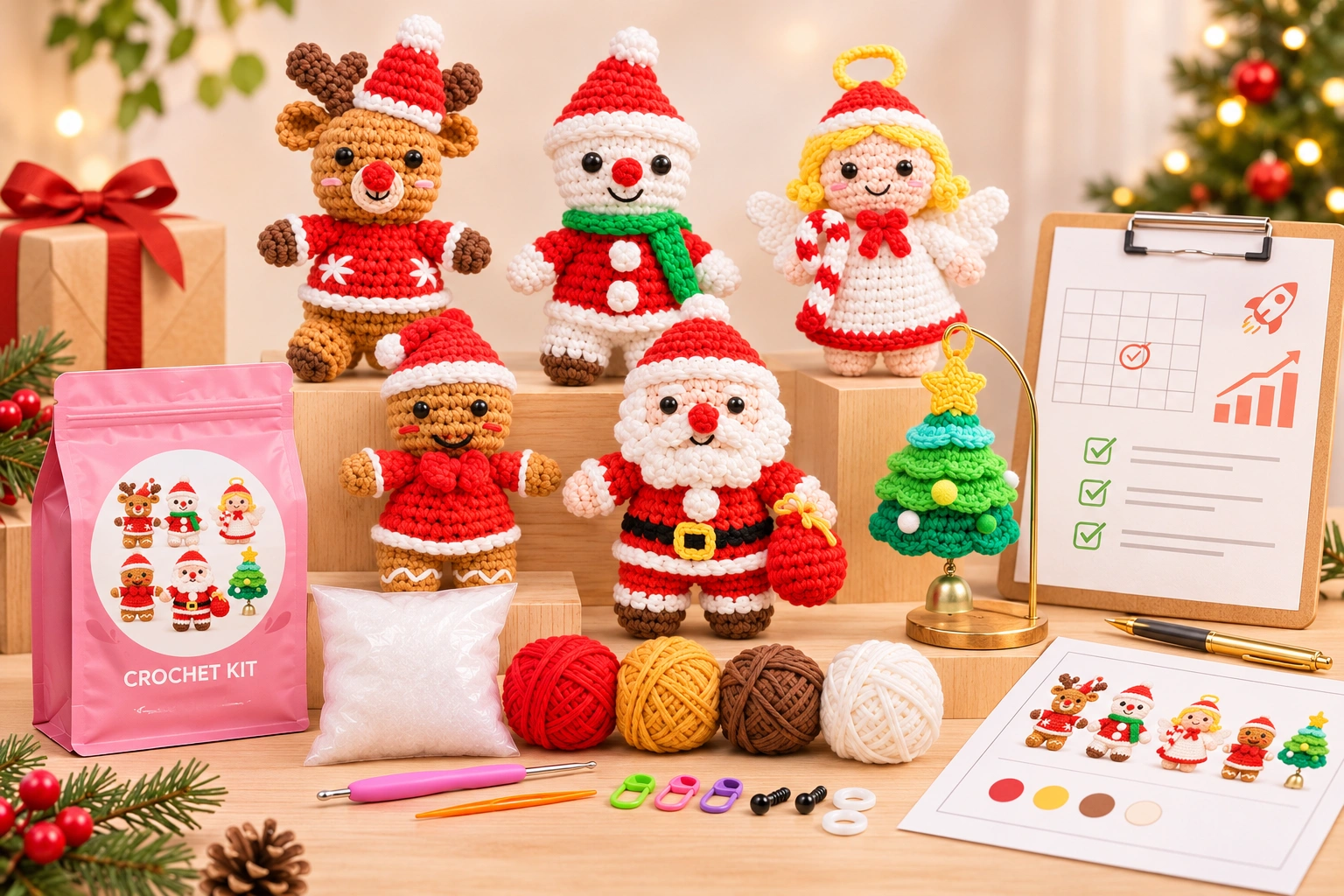
Can One Kit Serve Several Channels?
Sometimes, but suitability should be demonstrated.
The same core project might support a retail product, a gift program, and an instructor-led activity. The surrounding offer may still need adjustment.
| Element | Retail version | Gift version | Education version |
|---|---|---|---|
| Presentation | Supports product selection and display | Supports the occasion and recipient experience | Supports distribution and use during teaching |
| Guidance | Designed for independent access | Helps an unfamiliar recipient begin | Fits the instructor’s teaching sequence |
| Supporting content | Product information and usage expectations | Gift message and introduction | Instructor notes and session milestones |
| Evaluation | Sales and support performance | Recipient participation and feedback | Learning progress and assistance required |
Shared components can simplify development, but each version should have an approved configuration and a clear purpose.
Build a Pilot Before Expanding
A useful pilot begins with a question.
For example:
- Can shoppers understand the offer without staff explanation?
- Will gift recipients start the activity?
- Can participants reach the intended workshop milestone?
- Can the seasonal range sell within its planned window?
Define the audience, test period, cost limit, and decision criteria before launch.
Review both commercial and user results. A kit may sell initially while creating more support work than expected. A workshop may receive positive feedback while requiring a different project scope for larger groups.
Expand after identifying what worked, what required assistance, and what needs to change.
How UMY Supports Channel-Focused Crochet Kit Development
UMY has worked in crochet product development and manufacturing since 2013.
For DIY crochet kit projects, a useful development discussion connects the proposed design with its commercial application: who purchases it, who makes it, how it is presented, and when it needs to be available.
Depending on the agreed scope, UMY can discuss project design, yarn and color options, samples, tutorial requirements, private-label presentation, and packaging.
For example, a retail brief may prioritize shelf presentation. A gift brief may emphasize recipient introduction and message cards. An educational brief may require a teaching trial before configuration approval. A seasonal brief needs an agreed schedule and clearly controlled variations.
Sampling establishes the physical reference. It should be followed by the appropriate user or channel trial before larger commitments.
When approaching UMY, prepare:
- Primary sales or program channel.
- Intended users and experience level.
- Proposed project or authorized reference.
- Destination market.
- Target price positioning and quantities.
- Packaging and tutorial requirements.
- Required availability date.
- Criteria for evaluating the initial launch.
Frequently Asked Questions
Which channel should a new crochet kit buyer test first?
Start with the channel where you understand the customer and can collect useful feedback. A defined audience and a manageable trial are more valuable than launching across several unfamiliar channels simultaneously.
Are beginner crochet kits suitable for every gift program?
No. Review recipient interests, expected experience, available time, and support access. A beginner label does not establish suitability for every recipient.
Can a retail kit be used in a classroom?
Potentially. Test whether its project scope, packaging, guidance, and materials fit the teaching plan. Instructor resources may need to be developed separately.
How should buyers measure a seasonal launch?
Review availability against the launch plan, in-season sales, margin after markdowns, remaining stock, and customer support requirements. Evaluate results within the actual selling window.
Should every channel have different packaging?
Only where the application justifies it. Confirm what must change for display, gifting, distribution, or teaching before adding another packaging version.
Plan the Application Before Scaling the Product
Retail, gifting, education, and seasonal programs give DIY crochet kits different roles.
The strongest starting point is a specific customer, a suitable project, and a clear definition of success.
Planning a DIY crochet kit range or activity program? Share your target channel, intended users, quantities, and launch timing with UMY to discuss a suitable development and sampling approach.