
Inspection & Testing Standards
A production-ready QC system for DIY crochet kits: multi-layer inspection checkpoints, AQL-based sampling, and third-party lab testing options to support customs clearance and retail acceptance.
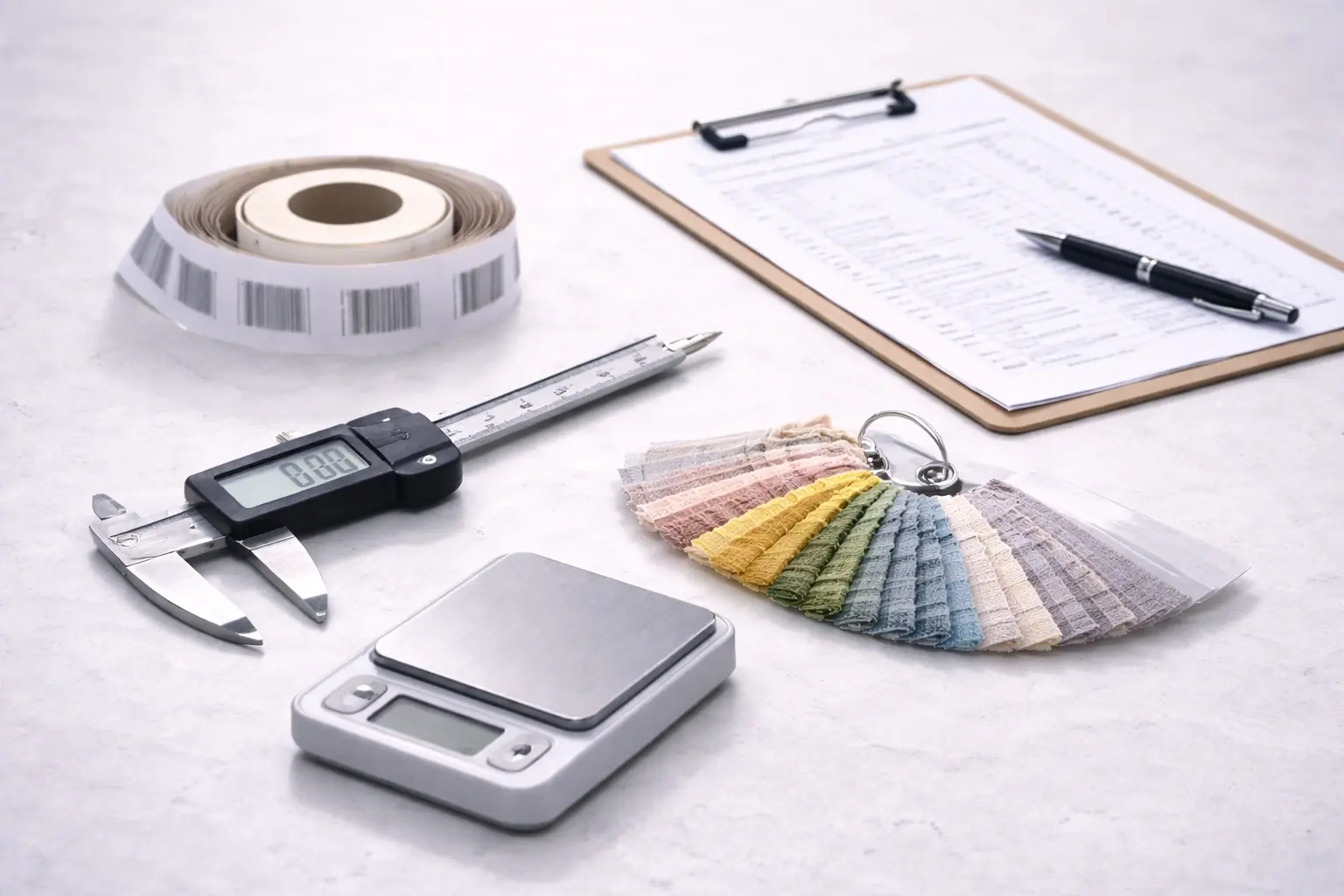
- QC checklist + photo evidence pack (per batch)
- AQL sampling plan (lot-size based, defect-classified)
- Traceability record (materials → batch → shipment)
- Third-party testing coordination (project-based)
Note: Metrics and testing scope vary by product complexity, market requirements, and final inspection plan. We provide project-specific documentation after confirming your BOM and target standards.
“Typical” response time depends on time zone and project completeness.
Multi-Layer Quality Assurance
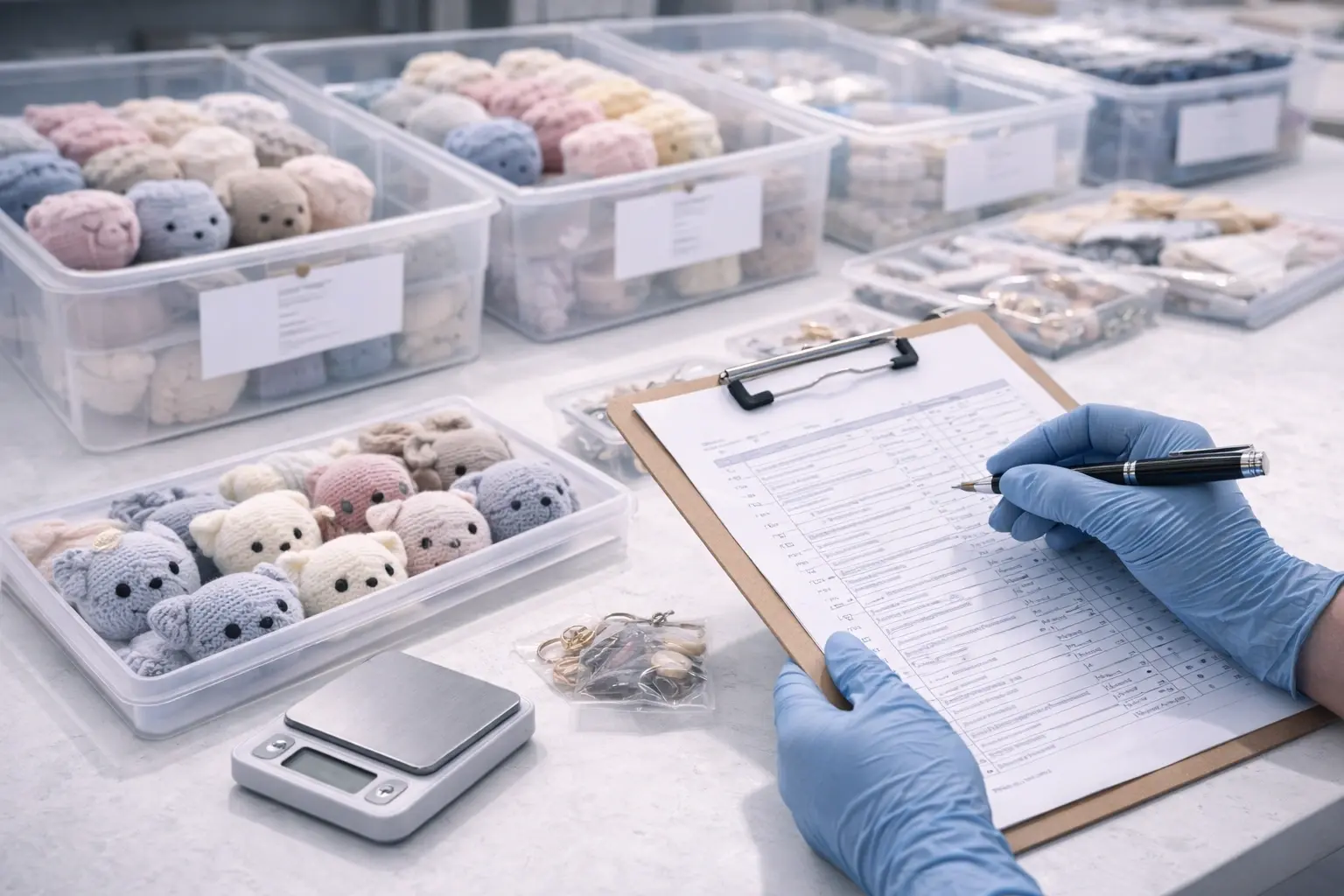
Our QC framework combines incoming inspection, in-process checkpoints, final kit verification, and batch-level documentation. When required, we coordinate third-party testing and independent sampling.
Common Standards Supported
Final scope depends on your product age grading, accessories, packaging, and destination market.
Internal Inspection Protocol
Quality is controlled through structured checkpoints from incoming materials to final packout, with documented standards designed to support batch consistency and release confidence.
Incoming Materials
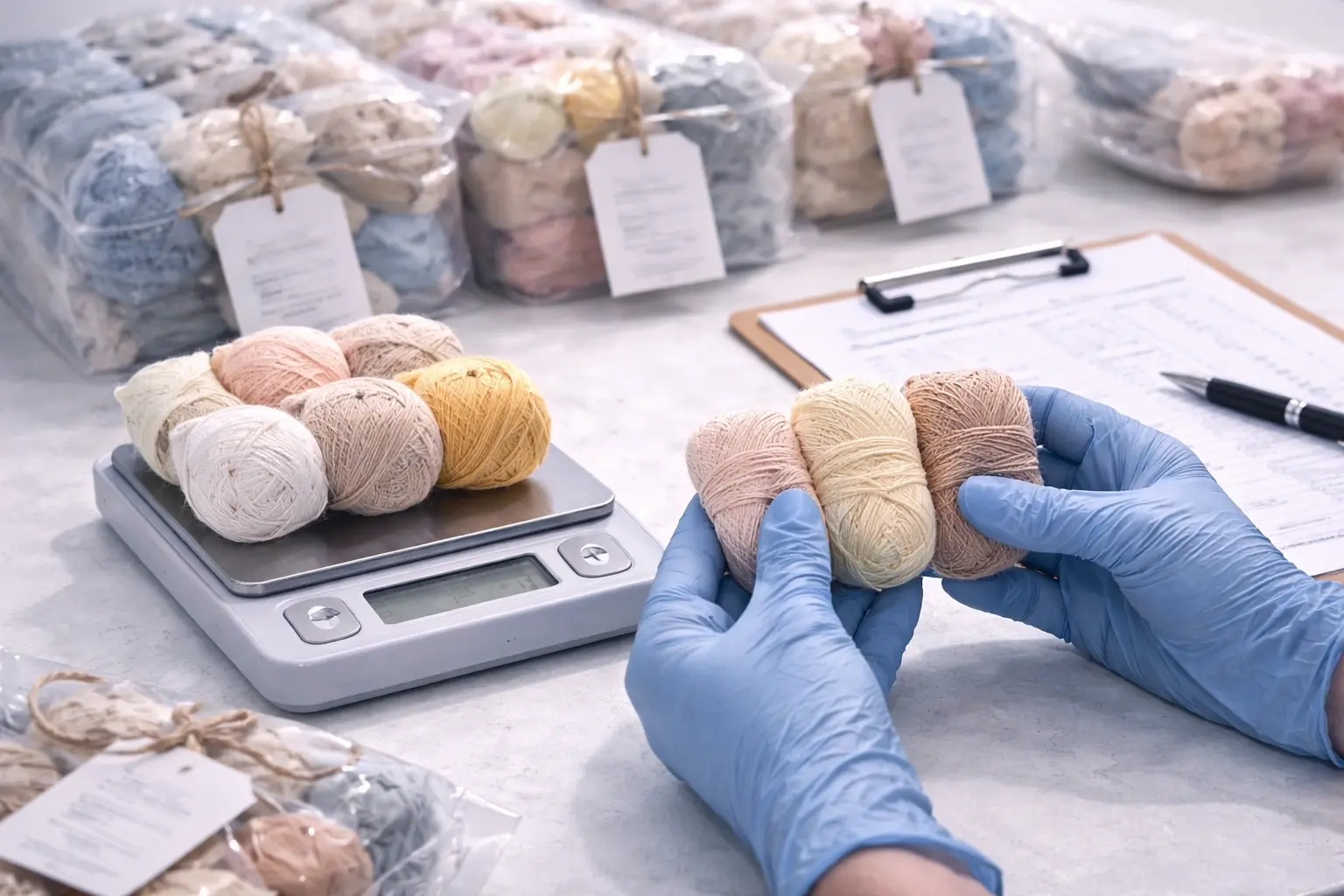
Verification starts before production begins, helping reduce downstream errors and ensuring material consistency.
- Yarn quality, color consistency, and lot identification
- Accessories verification for size, material, and suitability
- Packaging materials, labels, inserts, and barcode checks
- Batch documentation created for traceability
In-Process Control
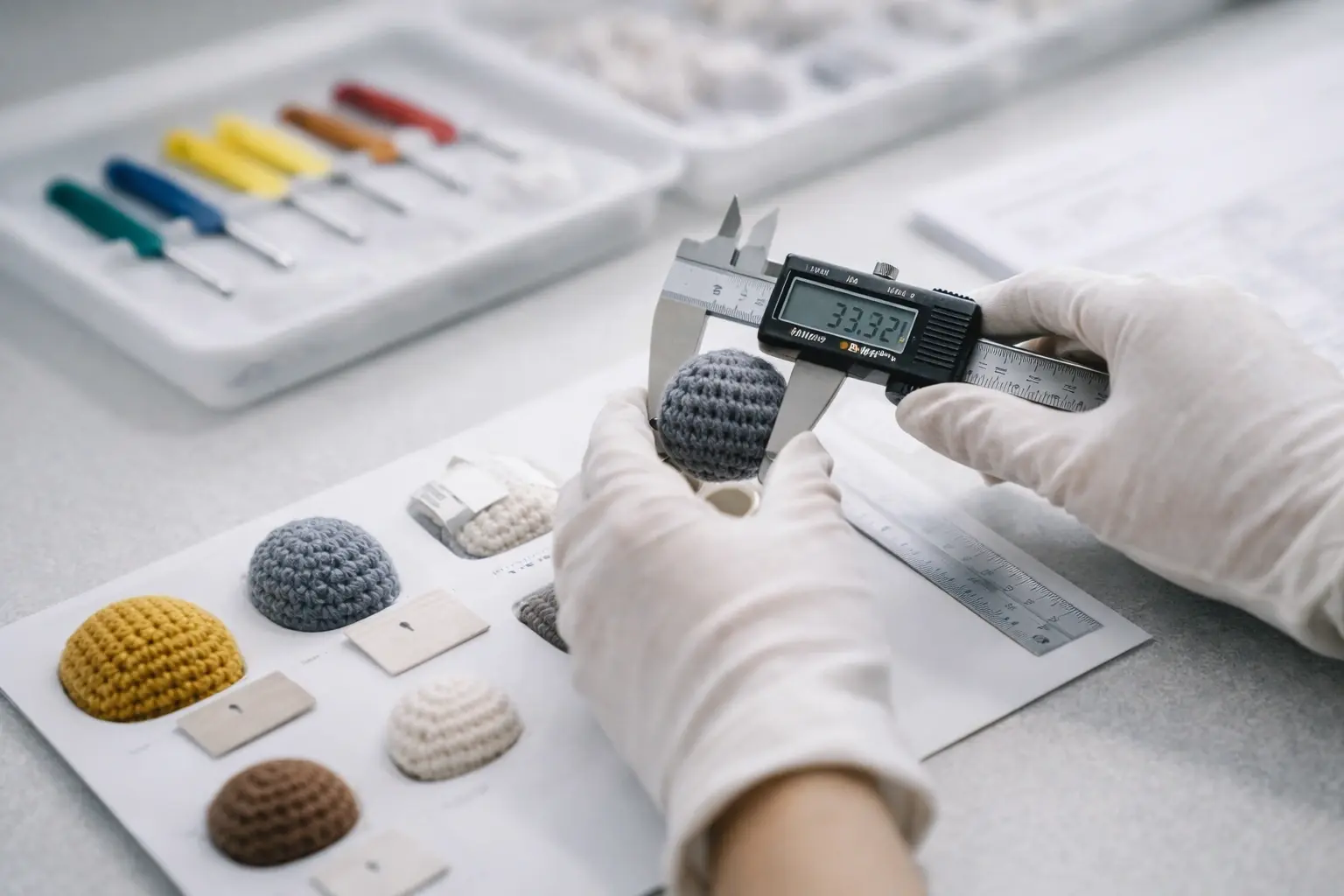
During assembly and kitting, checkpoints are used to catch issues early and maintain consistency across batches.
- Component counts and kit composition checked during packing
- Instruction sheets matched against actual kit contents
- Workstation controls and SOP checks applied during production
- Nonconforming findings isolated for correction before final release
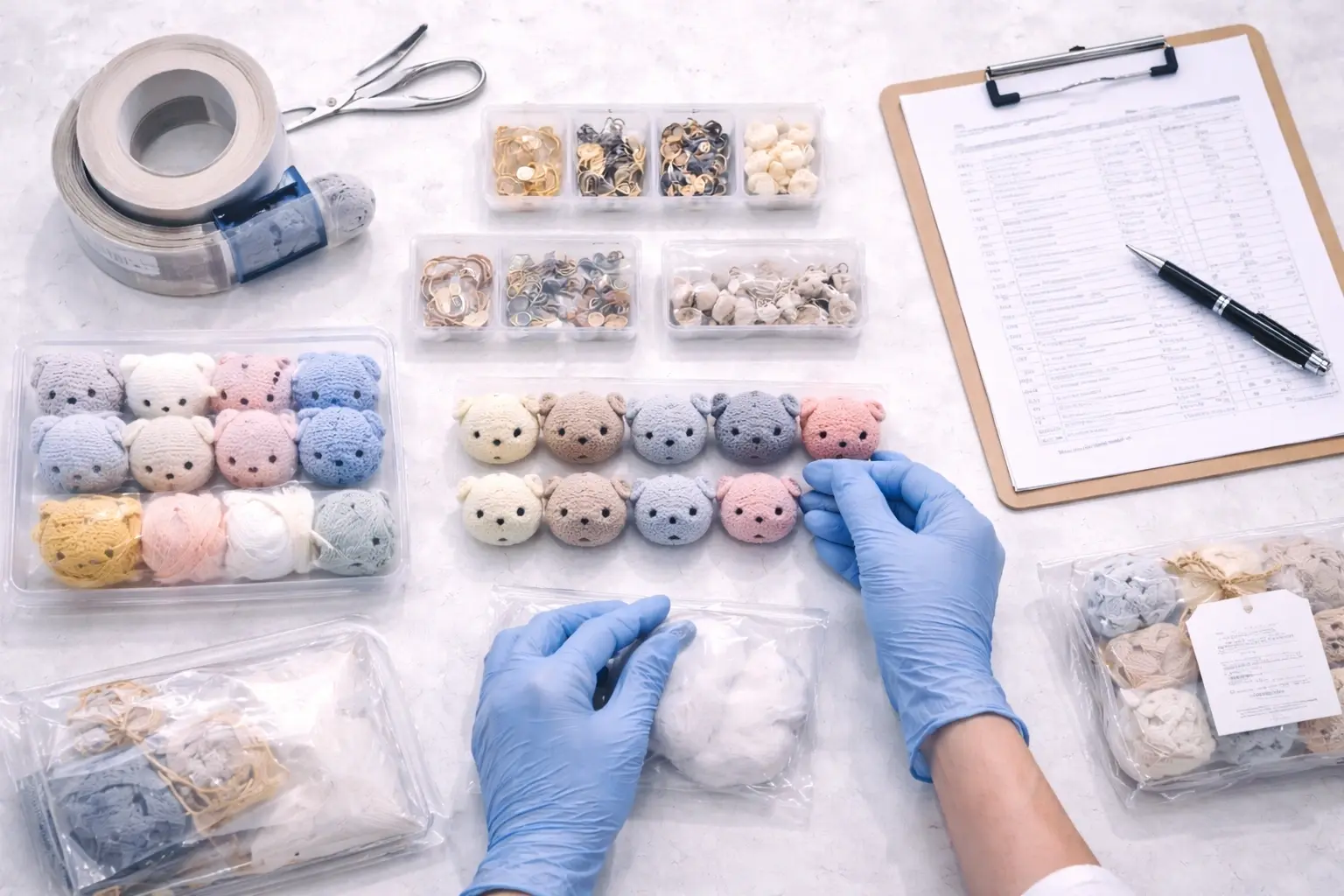
Final Kit Verification
Final inspection confirms that each batch meets agreed visual, content, and packaging requirements before shipment.
- Content check for all components, quantities, and SKU accuracy
- Packaging integrity, warnings, and label position review
- Random spot checks performed according to sampling plan
- Batch release decision supported by records and photo evidence
Defect Classification Logic
Defects are reviewed by severity so inspection outcomes remain consistent across internal review, third-party inspection, and shipment release decisions.
Critical Defects
Zero tolerance. Used for safety-related issues, regulatory nonconformance, or defects that make the product unacceptable for release.
Major Defects
Evaluated under the agreed AQL plan. Commonly used for functional or important visual issues that affect acceptance.
Minor Defects
Also controlled by the sampling plan, typically at a higher acceptance level than major defects, depending on the project.
What You Receive (Per Batch)
A client-ready QC pack supporting internal review, import clearance, and retail onboarding.
Third-Party Sampling Verification (AQL Framework)
Independent sampling and lab testing can be arranged based on your market requirements. Sampling size is determined by lot size and the agreed inspection plan—not a fixed percentage.
Sampling Logic (Simplified)
Lot Definition
Define lot size, SKU, batch IDs, and inspection level
Random Sampling
Sample size determined by AQL plan (lot-size based)
Testing & Review
Lab testing scope + defect classification analysis
Batch Release
Issue reports + corrective actions (if needed)
AQL levels and inspection level are agreed per project; tightened inspection may apply if trends are observed.
Sampling Plan (Project-Based)
We define defect classification and AQL levels based on product risk profile and target market requirements.
Critical Defects
Zero tolerance (safety-related or regulatory nonconformance)
Major Defects
AQL level agreed per project (commonly 2.5 for general inspection)
Minor Defects
Typically a higher AQL than major defects (project-based)
We can align with your internal QC standard or adopt industry-standard AQL sampling plans based on lot size.
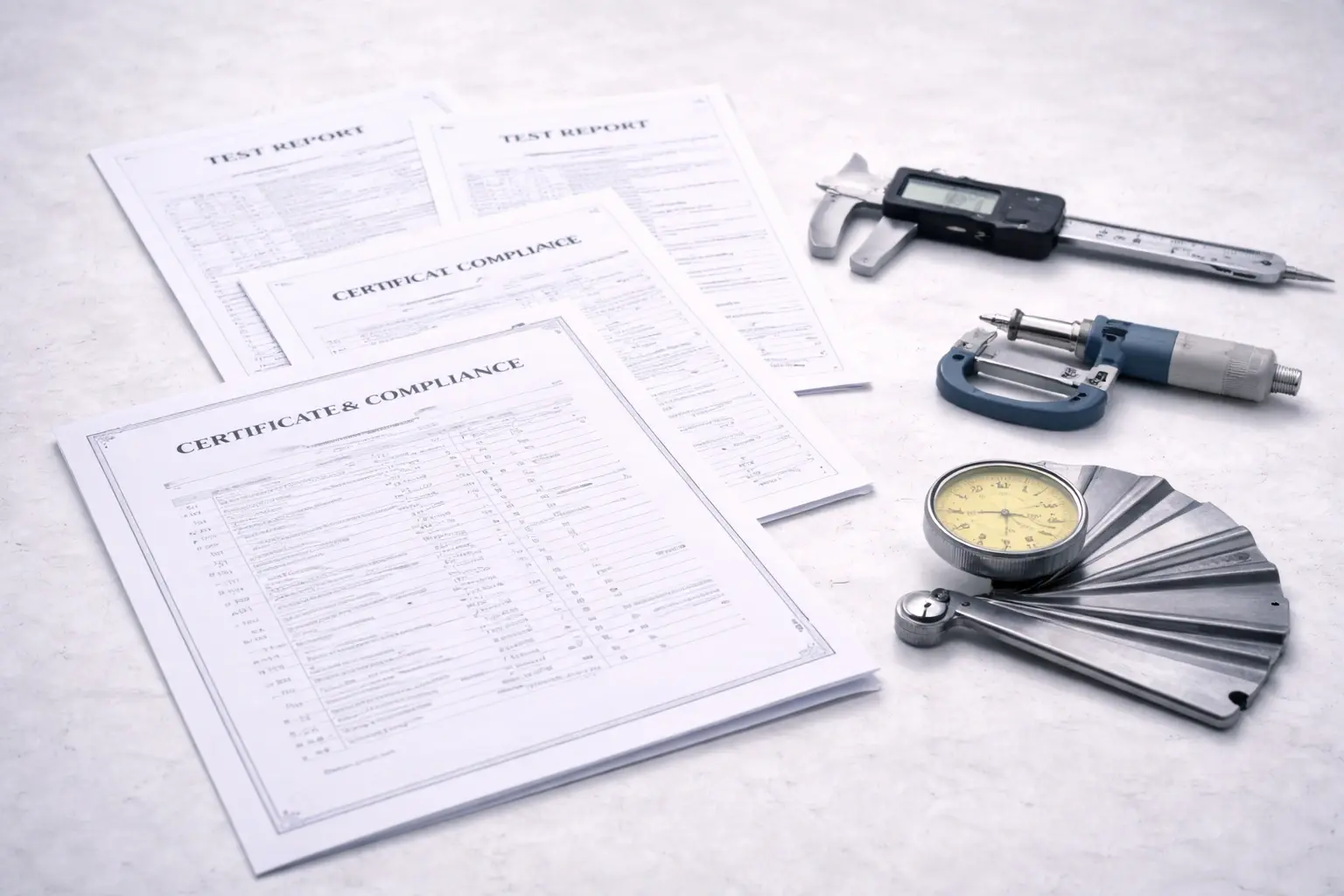
Accredited Testing Partners (Project-Based)
Testing is arranged with accredited labs based on availability, region, and required scope. We avoid using lab logos or readable report text on public pages.
Documentation & Reporting
Clear deliverables, traceability, and corrective actions help your team review quality outcomes efficiently.

Inspection Reports
- • Structured checklists (incoming / in-process / final)
- • Photo evidence (defects, packaging, batch IDs)
- • Defect classification (critical/major/minor)
- • Pass/fail summary + batch release notes
- • Corrective action plan (if needed)
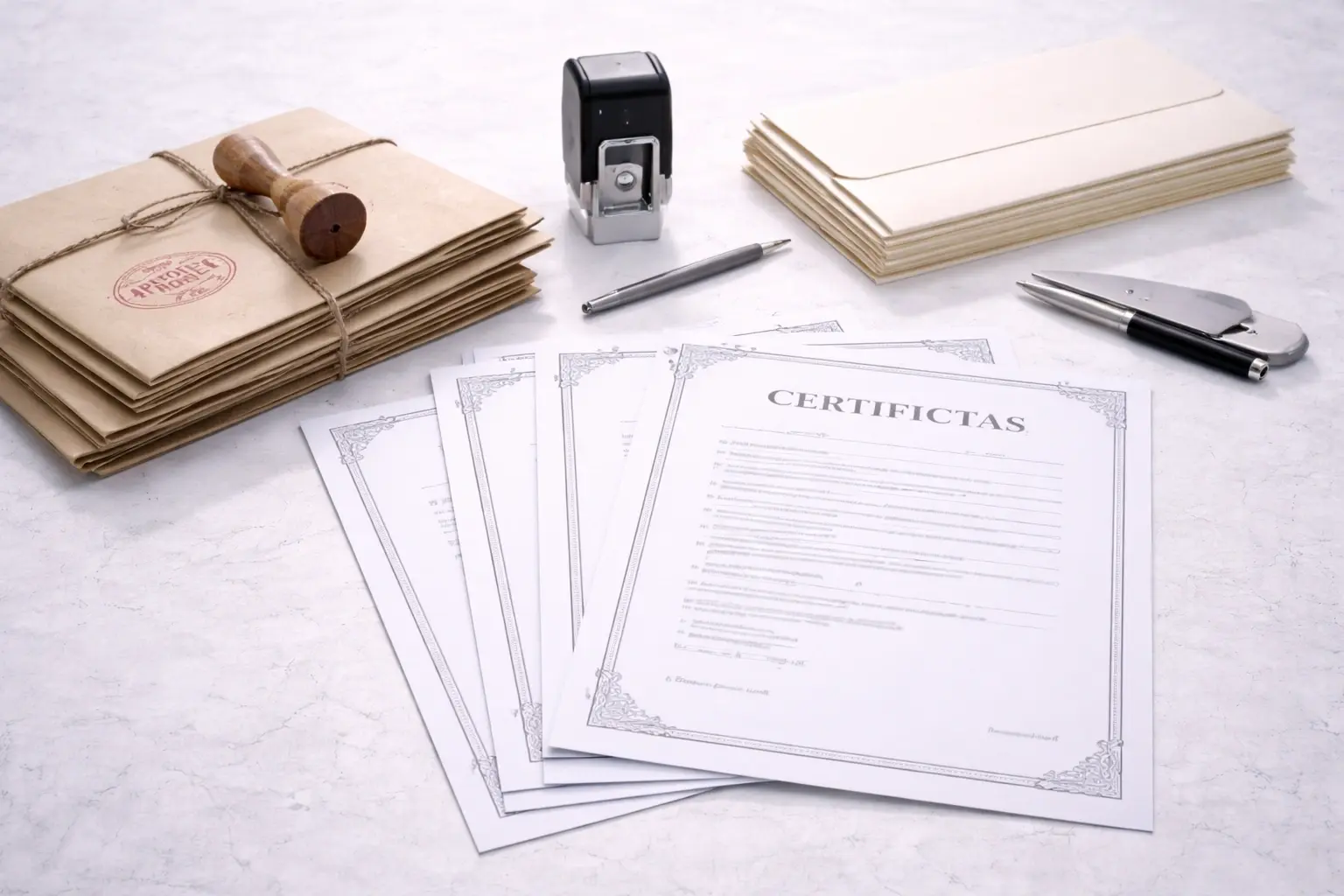
Test Certificates (When Required)
- • Third-party lab reports (redacted samples available)
- • Compliance support docs for import/retail
- • Material declarations / MSDS where applicable
- • Batch-level traceability attachments
- • Market-specific labeling & warning review
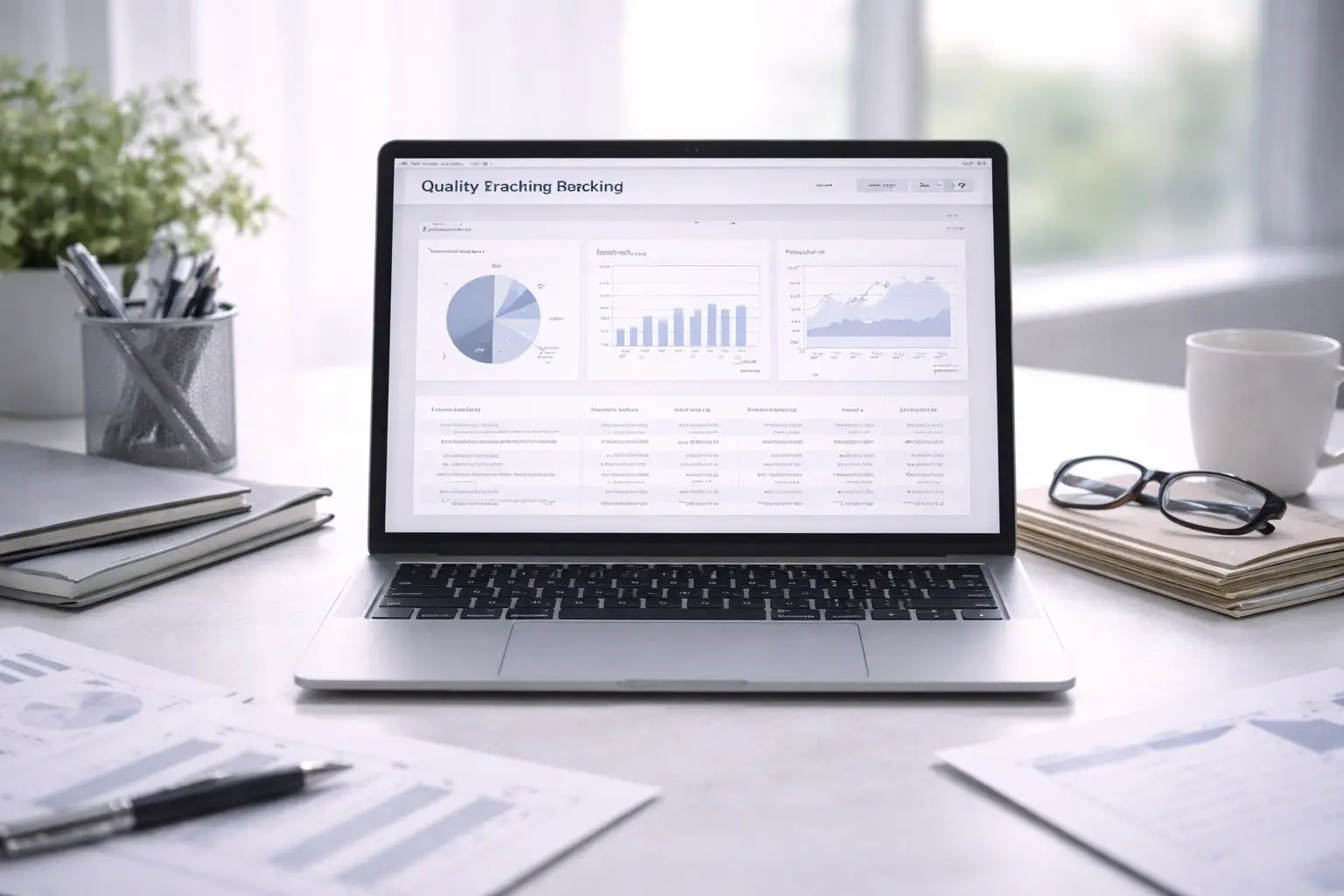
Client Updates
- • Milestone updates for sampling and release
- • CAPA status tracking (when applicable)
- • Shipment release confirmation with batch IDs
- • Historical trend summary (repeat programs)
- • Optional client portal workflow (by project)
Need a client-ready documentation pack?
Share your BOM, target market, and quantity. We will propose the inspection checkpoints and sampling plan.
FAQ
Common questions about inspection, sampling, testing, and compliance deliverables.

Do you use AQL sampling? Which level?
Can you provide EN71 / ASTM F963 / CPC documents?
What is included in the QC & Testing Pack?
Can we appoint our own inspector or lab?
How do you handle defects and corrective actions?
How do you ensure traceability?
Quality Assurance You Can Trust
Send your BOM, target market, quantity, and timeline. We’ll propose a QC plan, sampling framework, and documentation pack.
Client-Ready Pack
Checklists, photos, sampling plan, traceability record
Clear Guidance
Market scope mapping and risk-based defect classification
Release Confidence
Batch release notes + CAPA workflow when needed
ISO 9001 • AQL sampling • Third-party testing (project-based) • Traceability documentation