
Component Standardization
Strategic SKU rationalization, BOM optimization, and production stability through a version-controlled component library across scalable DIY crochet kit manufacturing programs.
Typical outcomes: 15–35% BOM optimization on standardized components, improved kit-to-kit consistency, and faster kitting setup. Results vary by SKU mix, packaging requirements, dye-lot controls, and compliance scope.
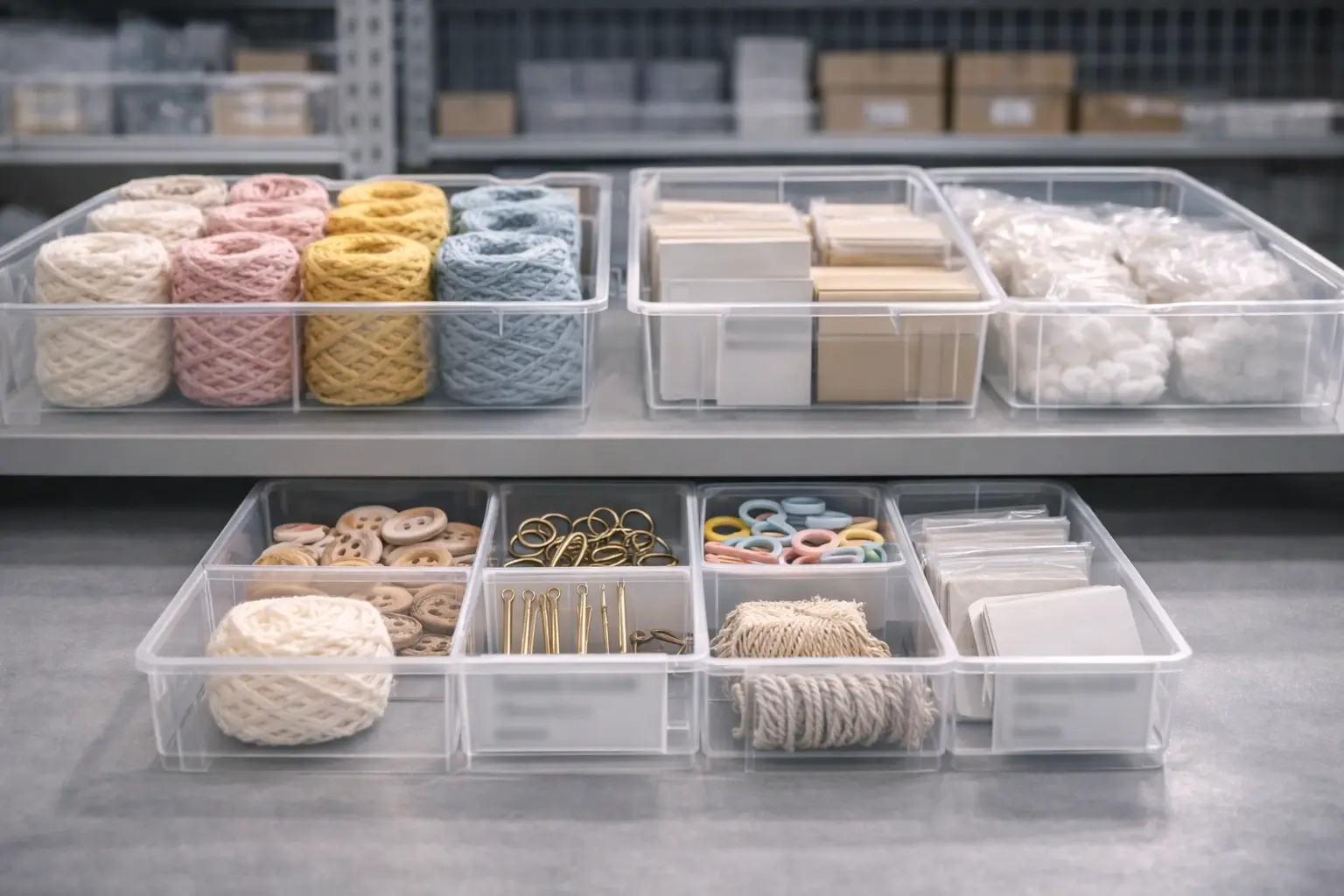
Version-Controlled Library
Build once. Reuse across programs.
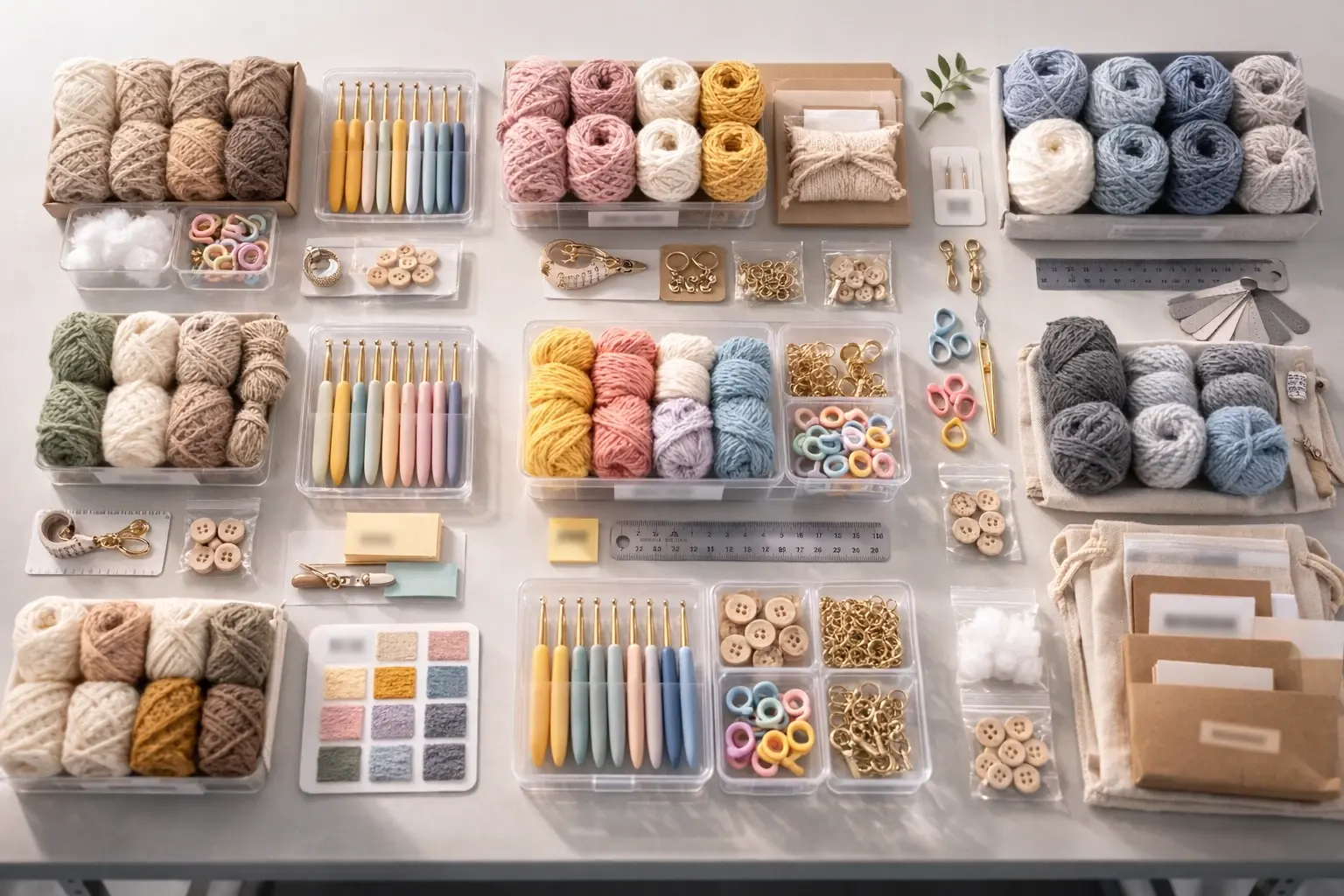
Standardize yarn systems, tools, packaging internals, and instruction modules while preserving brand-specific kit differentiation.
Strategic SKU Management
A systematic approach to component categorization, compatibility rules, and inventory rationalization—built for multi-program DIY crochet kit manufacturing.
Core Component Categories
Yarn Systems
Standard weights, core colors, and dye-lot / shade control rules for repeatability.
Tools & Hardware
Hook sizes, needles, stitch markers, safety eyes, fasteners—selected for cross-program reuse.
Packaging Components
Box formats, bag types, inserts, and packing SOPs with brand-safe customization layers.
Instruction Systems
Modular templates, skill-level mapping, and multi-language layout standards with versioning.
SKU Optimization Benefits
Indicative ranges. Final results depend on SKU breadth, packaging SKU policy, and compliance requirements.
Want a sample component matrix?
Get a reference matrix template (PDF/Excel) used for compatibility planning.
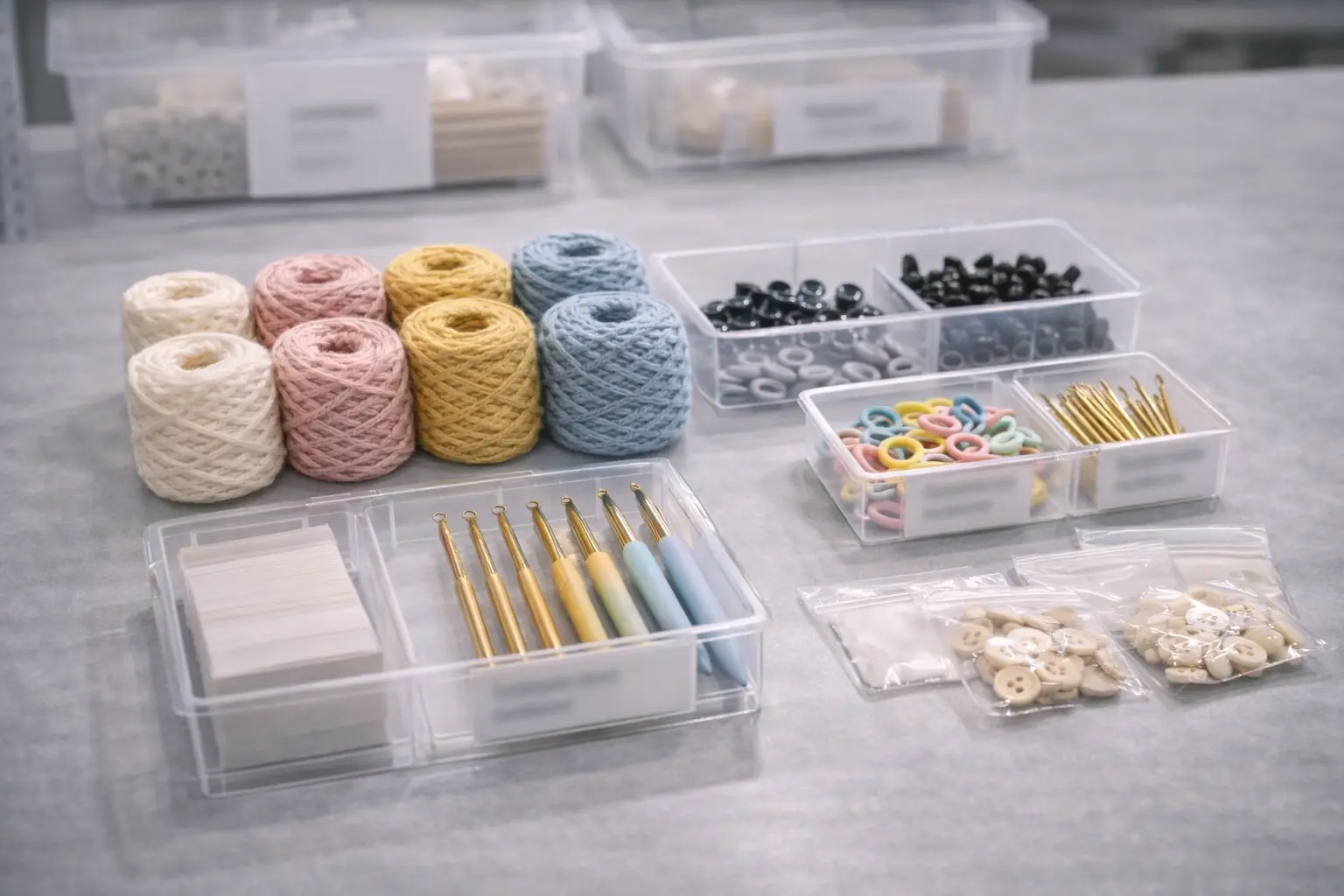
Component Matrix System
A compatibility matrix links skill levels, safety requirements, and packaging tiers to standard components.
| Component | Beginner | Intermediate | Advanced |
|---|---|---|---|
| Cotton Yarn (4-ply) | Standard | Standard | Standard |
| Hook Set (3.5–6mm) | Standard | Optional | Specialized |
| Safety Eyes | Standard | Standard | Optional |
| Stuffing (Polyester) | Standard | Standard | Standard |
| Premium Box | Specialized | Optional | Standard |
Compatibility Rules (Examples)
- Skill-tier mapping: tool complexity and stitch density determine included accessories.
- Safety gating: age grading and compliance scope decide safety eyes vs embroidery alternatives.
- Packaging tiers: brand-exclusive outer packaging can remain custom while internals stay standardized.
- Shade control: dye-lot control policy and approved substitutions prevent color drift.
How It Works
A practical rollout method designed for real production constraints: multi-SKU programs, variable packaging, and compliance requirements.
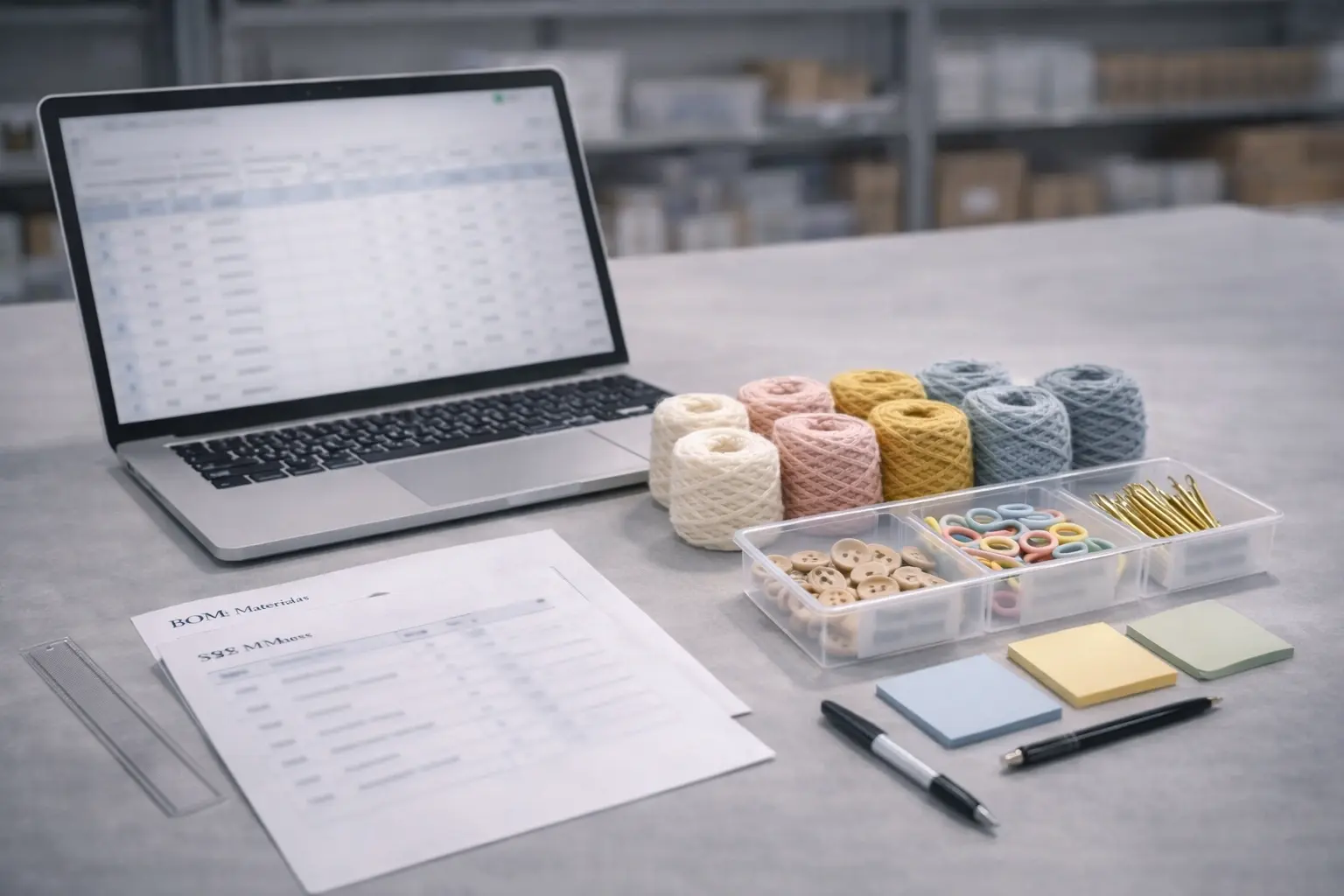
Audit
Review BOMs, SKUs, shade rules, and packaging constraints. Identify quick wins and blockers.
Build Library
Create a standardized component catalog with codes, specs, approved substitutions, and versioning.
Matrix Rules
Define compatibility: skill tiers, safety gates, packaging tiers, and regional compliance scope.
Procurement
Consolidate purchasing, set safety stock, and apply lot control policies to stabilize supply.
Rollout
Pilot on a subset of SKUs, then expand. Train kitting SOPs and lock the revision process.
Optional NDA available. Typical response within 24 hours.
Advanced Cost Control
Multi-layered optimization through consolidated procurement, controlled substitutions, and standardized kitting SOPs.
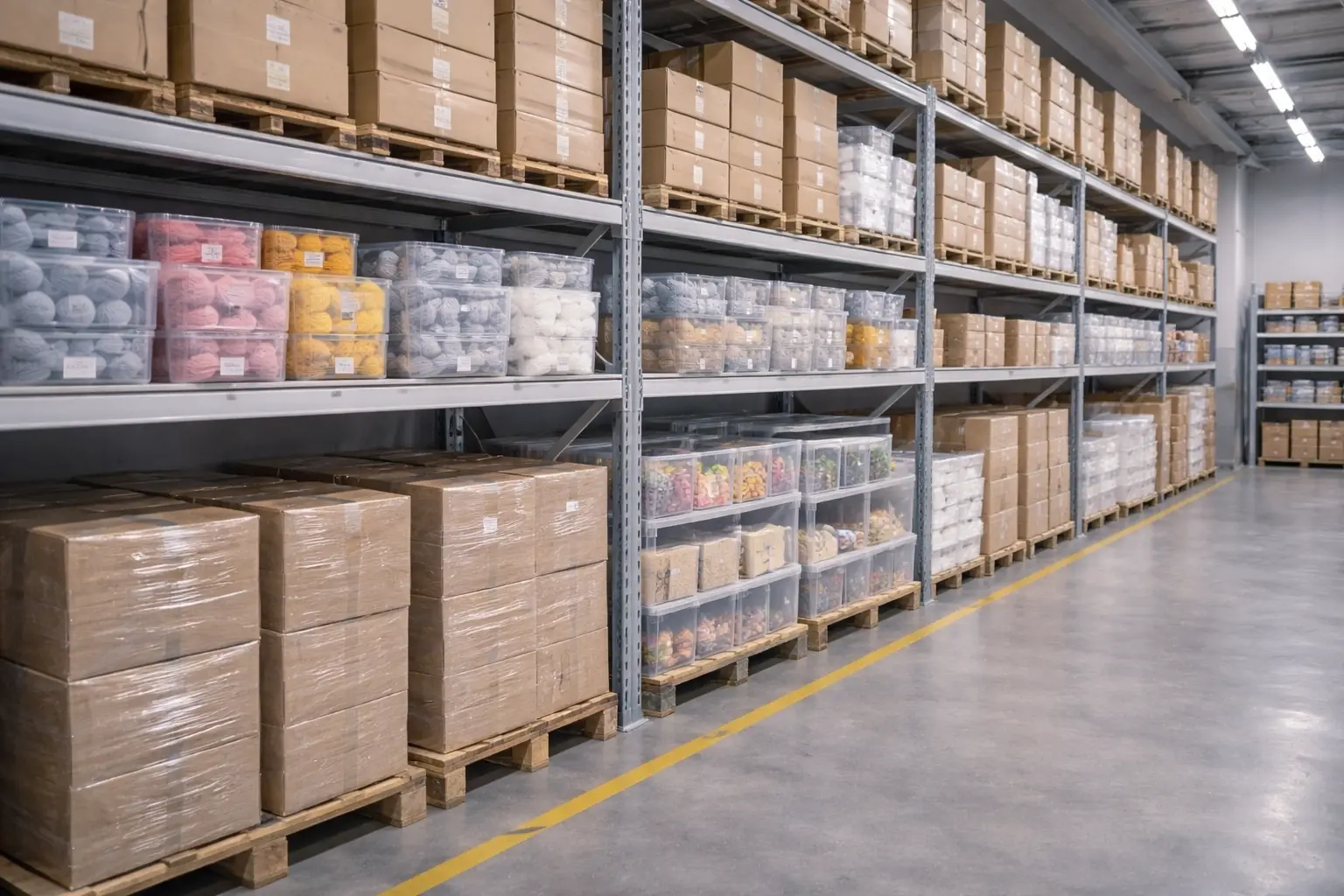
Consolidated Purchasing
Bulk procurement across programs to reduce unit costs and stabilize supply.
Ranges are indicative and depend on volumes, materials, and brand constraints.
Component Reuse
Cross-program reuse increases inventory turnover and reduces obsolete stock.
Shown as illustrative progress bars; exact metrics depend on program structure.

Predictable Lead Times
Standard components reduce procurement variability and speed up kitting setup.
Cost Structure Comparison (Illustrative)
Traditional Manufacturing
Standardized System
Production Stability
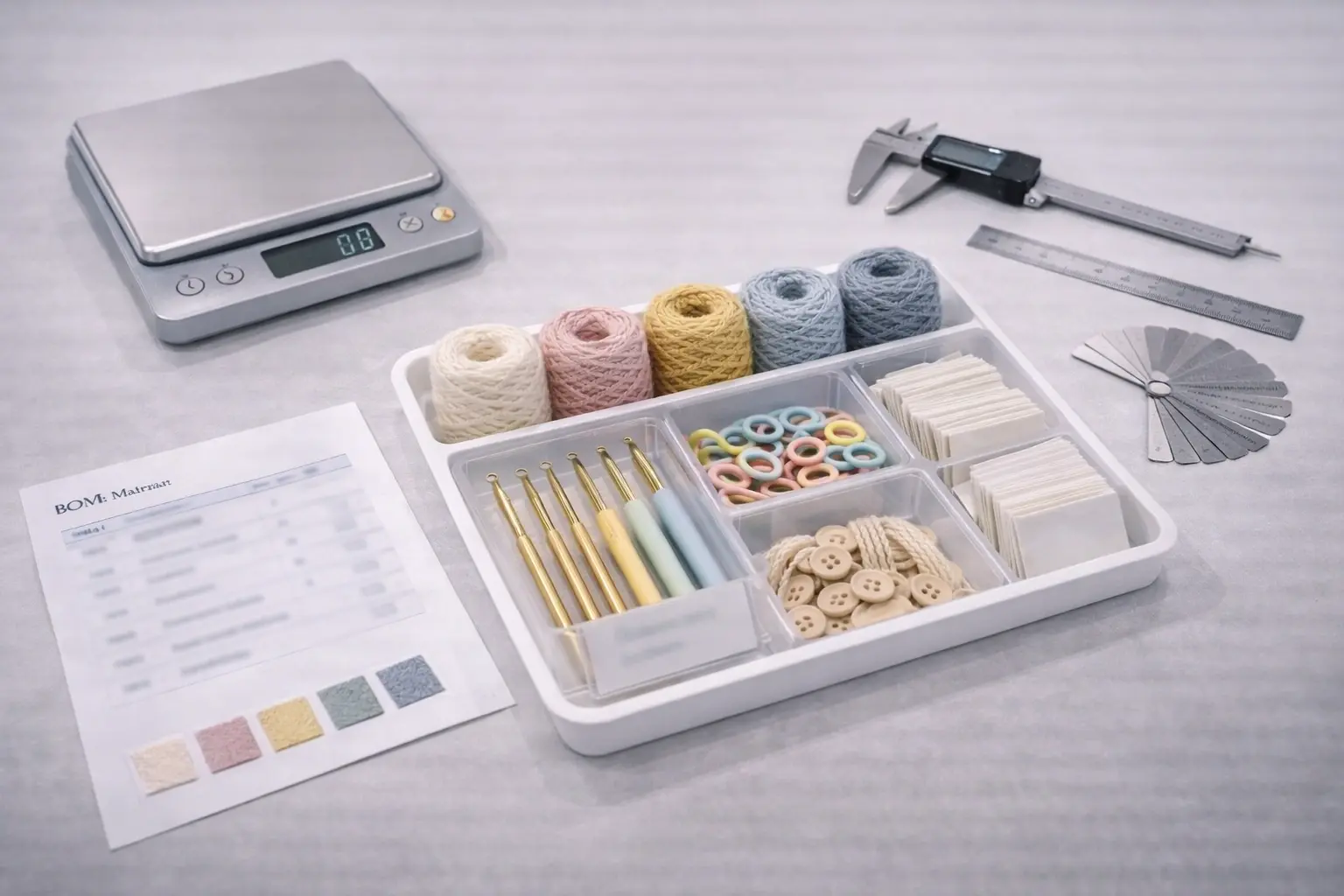
Predictable output through standardized inputs, controlled substitutions, and SOP-driven kitting operations.
Quality & Consistency (CTQ-based)
CTQ (Critical-to-Quality) metrics are defined per program and compliance scope. We can share a sample CTQ list via download.
Process Control Systems
Typical Rollout Timeline
Stability Benefits
FAQ
Common questions about standardizing components while keeping your brand and product differentiation.
What can be standardized in a crochet kit program?
How do you control yarn color consistency and dye lots?
Can we keep brand-exclusive packaging while standardizing internals?
What is the typical impact on MOQ and lead time?
Do you support multi-language instruction systems?
Share your BOM list or a few representative SKUs. We’ll return a standardization plan and cost levers.
Ready to Optimize Your Manufacturing Costs?
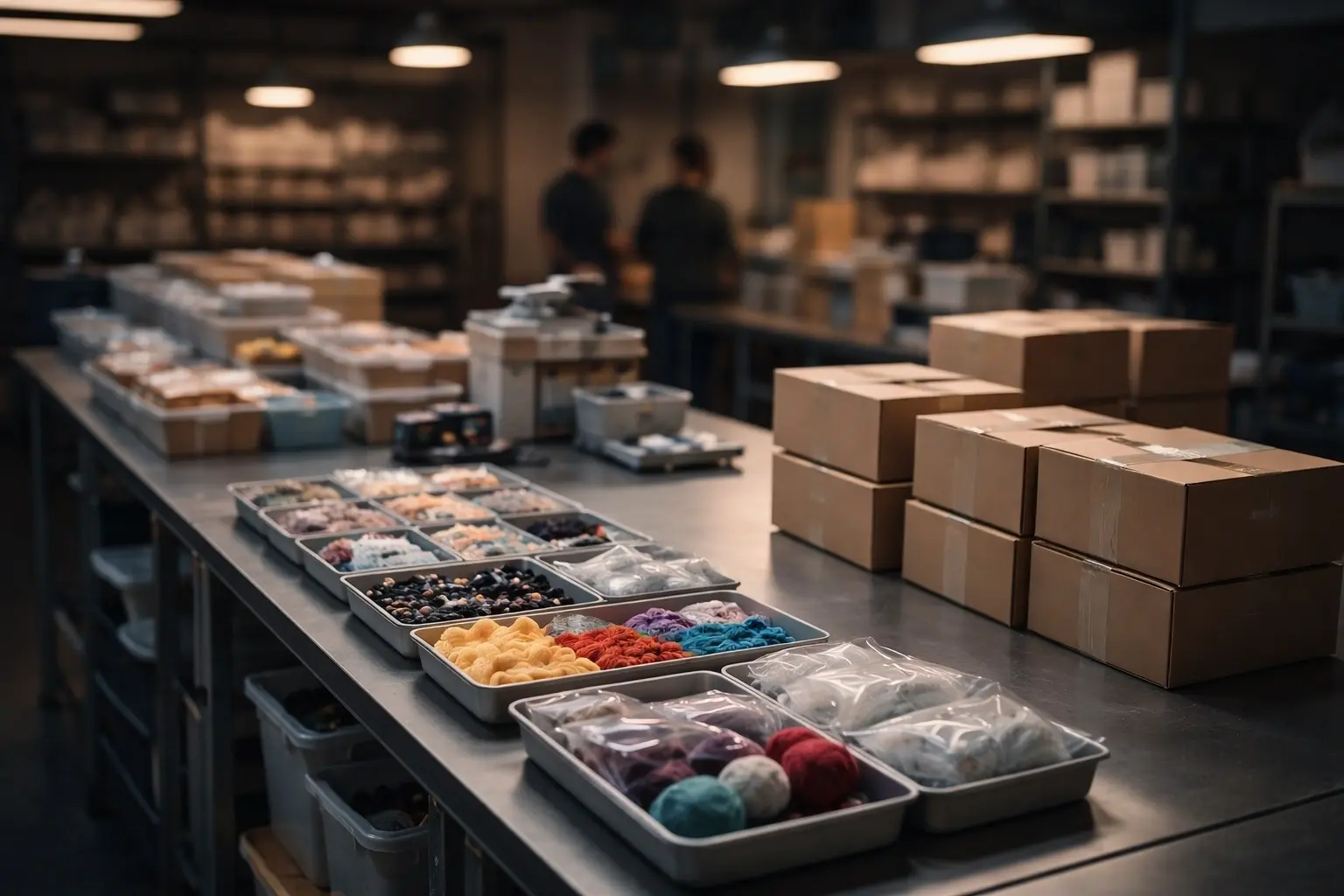
Implement component standardization to reduce BOM complexity, stabilize supply, and accelerate repeat production. Typical outcomes include up to 31% total cost reduction and measurable improvements in kit consistency.
Cost Analysis
Assess current BOM, SKU policy, shade rules, and cost levers.
System Design
Build the component library + compatibility matrix for your program.
Implementation
Rollout with SOPs, training, and revision control for stable repeats.
ISO 9001 Certified • Component library with revision control • Up to 31% program-level optimization • Built for scalable DIY kit manufacturing
All figures are indicative. We provide final estimates after BOM review and scope confirmation.